Speeding Up Product Creation For A Global Apparel Brand
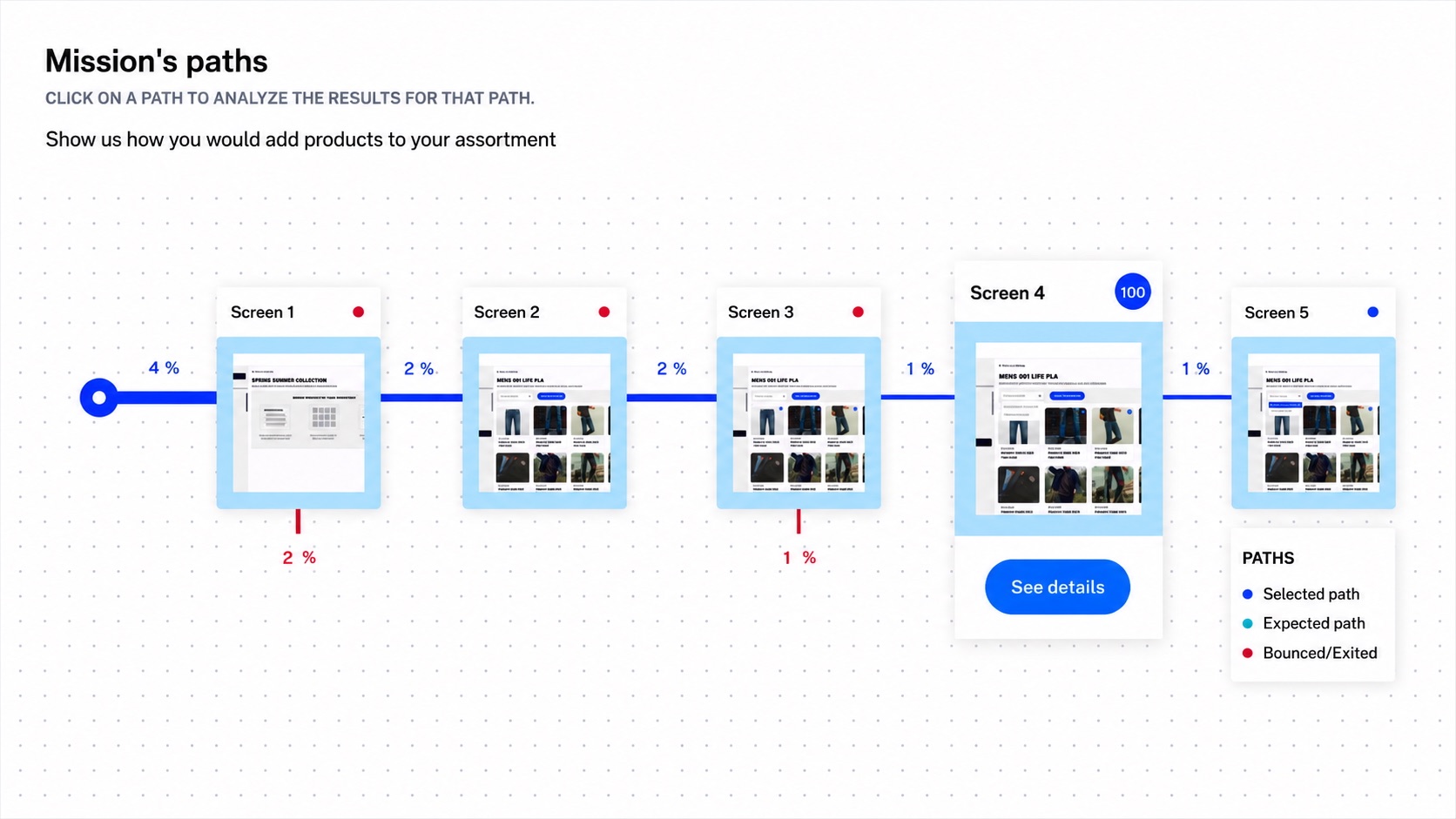
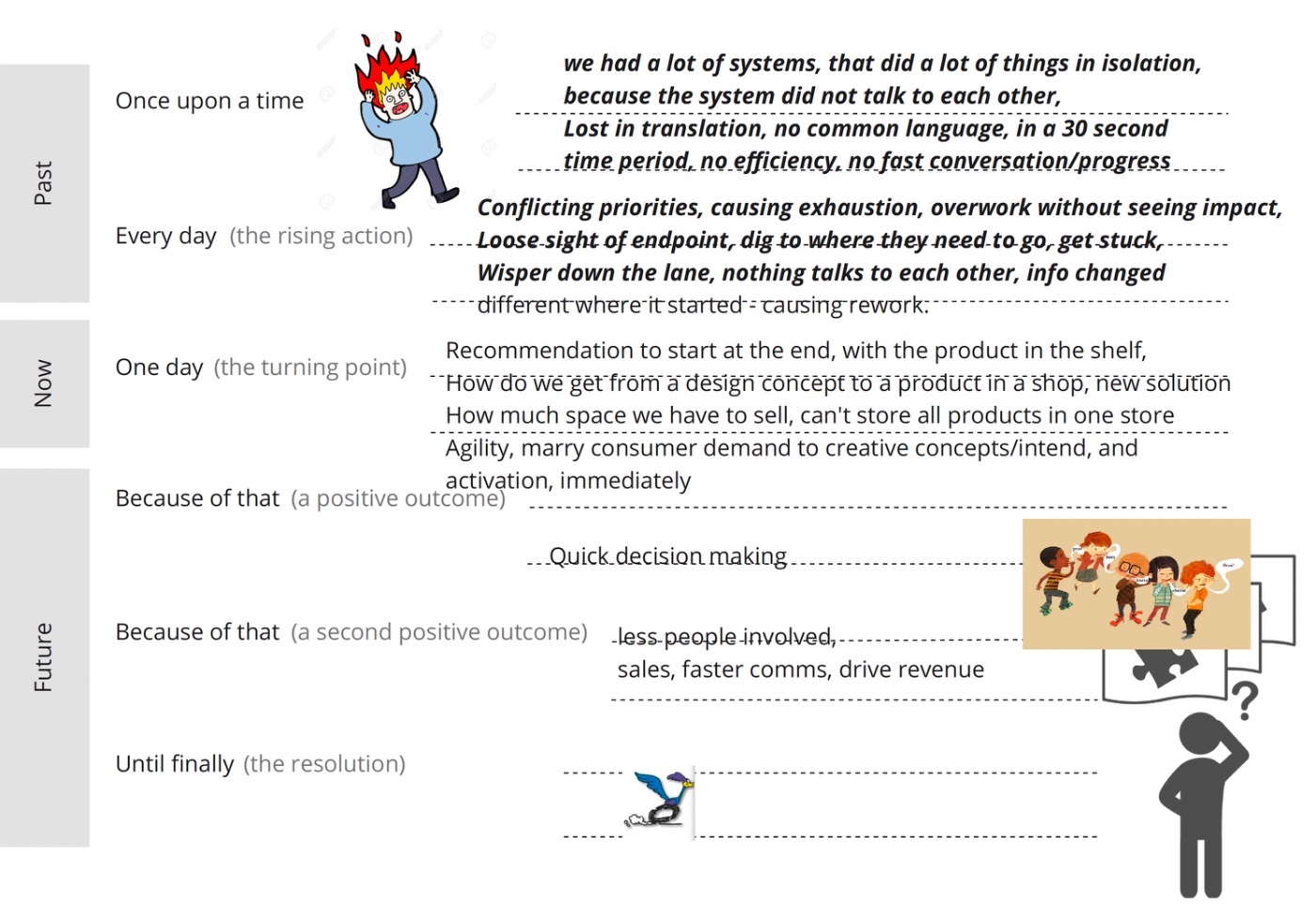
Building a fashion collection is a tactile, collaborative process. People work from samples, from fabric, from a shared sense of where a season is heading. The merchandising, design, development, planning, and commercial teams were doing exactly that — but across scattered text tools that did not match how they thought. Development cycles ran slow. Rework arrived late. And when travel to showrooms became difficult during COVID, the friction that had always been there became impossible to ignore.
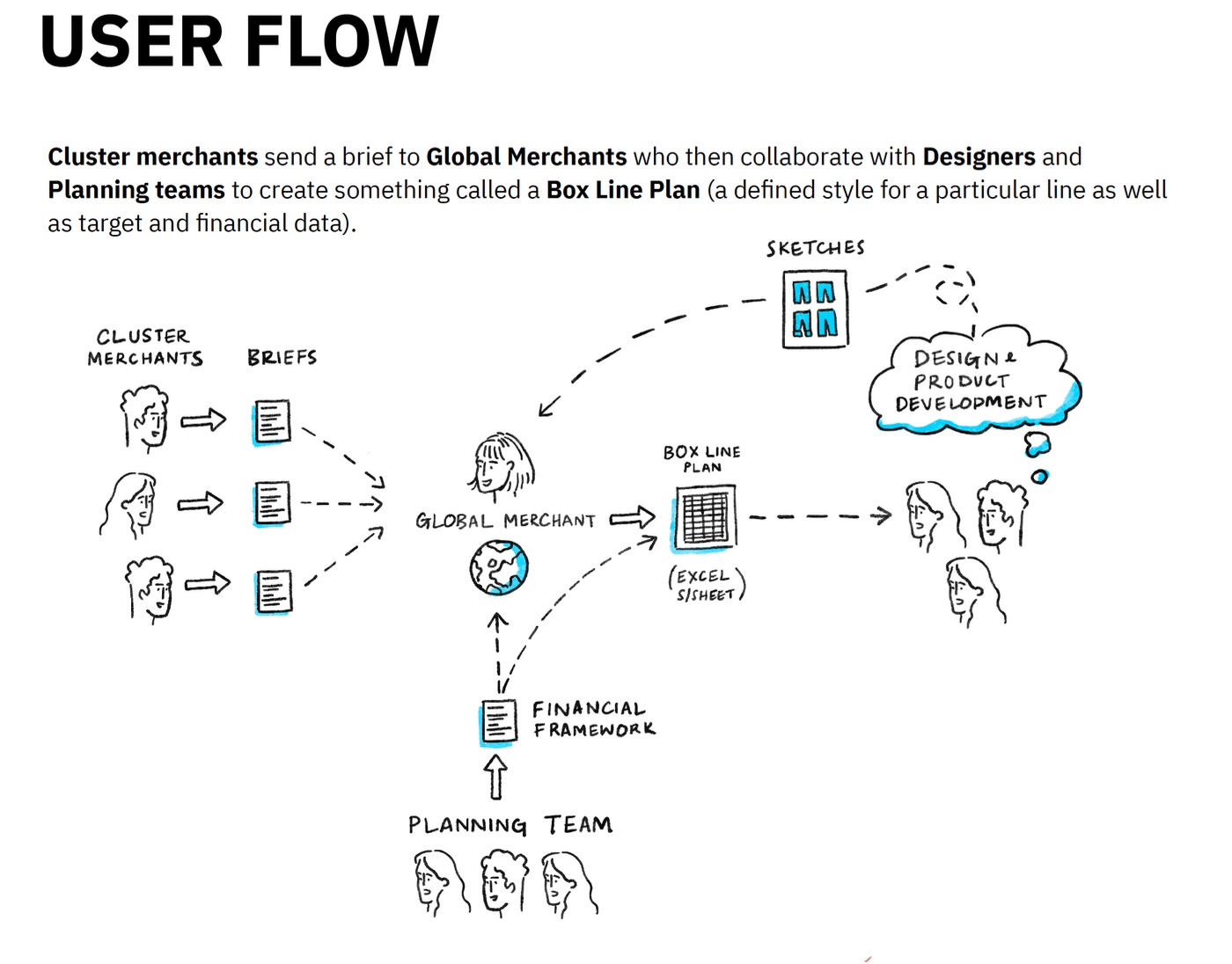
I initiated the partnership and set up the cross-functional team. Then I led the discovery: interviewing people across every team that touches a collection, watching how the work actually happened, and mapping where it broke. We translated all of it into a single service blueprint — one picture of the end-to-end workflow. For most of the senior stakeholders, it was the first time they had seen the whole process at once.
That blueprint did the heavy lifting. Once everyone could see the same picture, the conversation stopped being about whose tool was right and started being about how the work should flow. My job from there was to hold the structure, keep the teams aligned, and turn a scattered set of processes into one coherent product.
For the first time, everyone could see the same picture.
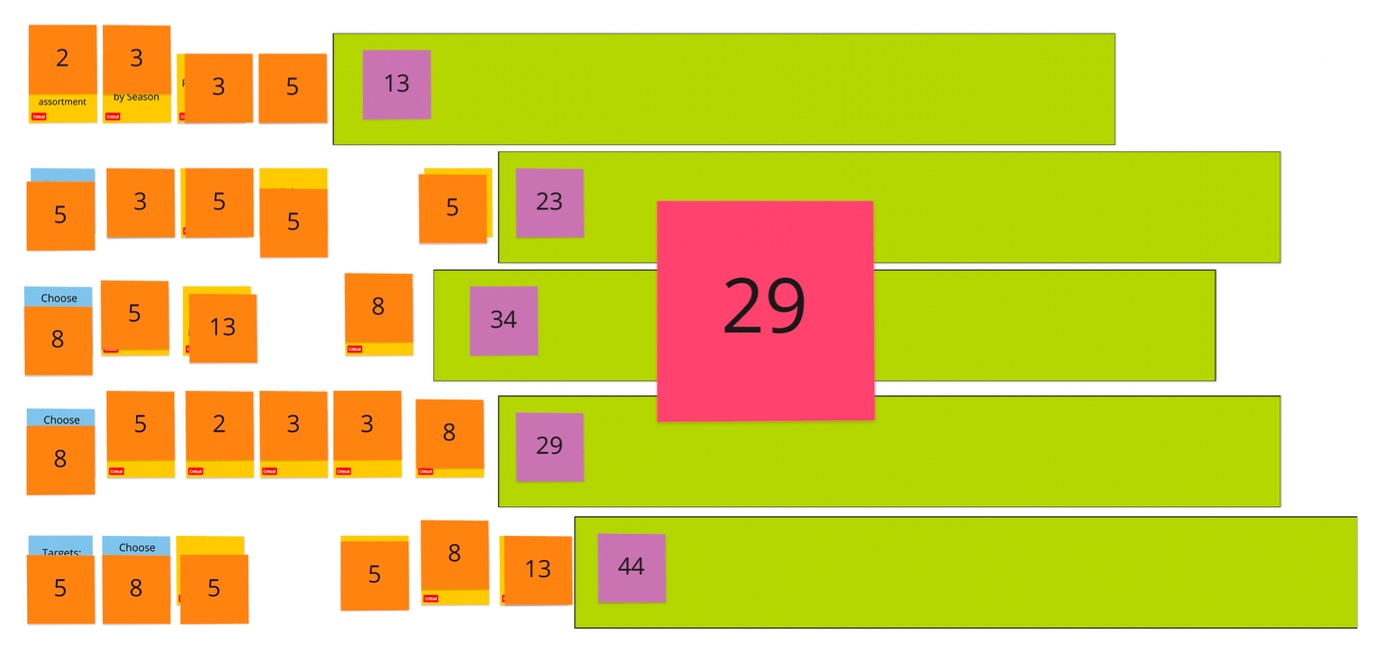
In twelve weeks we designed and launched an MVP carrying hundreds of real products — enough to test the riskiest assumptions against real work. It was adopted quickly, and adoption became the next problem to solve: the structure that worked for one team did not hold once several teams depended on it. I guided the team through fast usability improvements and kept the work aligned across a London–San Francisco split through async research, prototype testing, and a steady loop of user feedback.
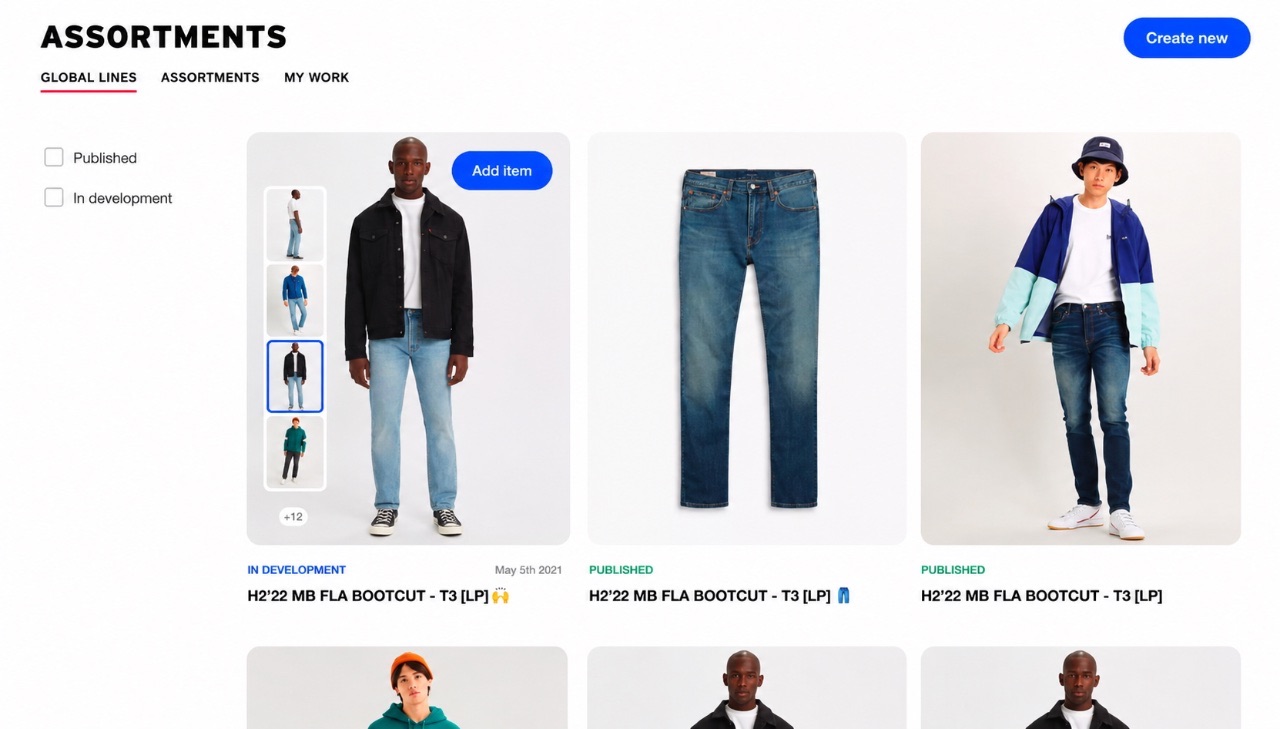
Over the following eighteen months the tool matured into the single source of truth for every main-line product. Teams now build seasonal assortments together — visually, in real time, with clear permissions and collaboration modes — instead of reconciling versions of the truth after the fact.
The blueprint that let everyone argue about the same picture is the same move I make in AI work now — except the picture has become a working prototype, generated while the conversation is still alive.